

Coffee Culture
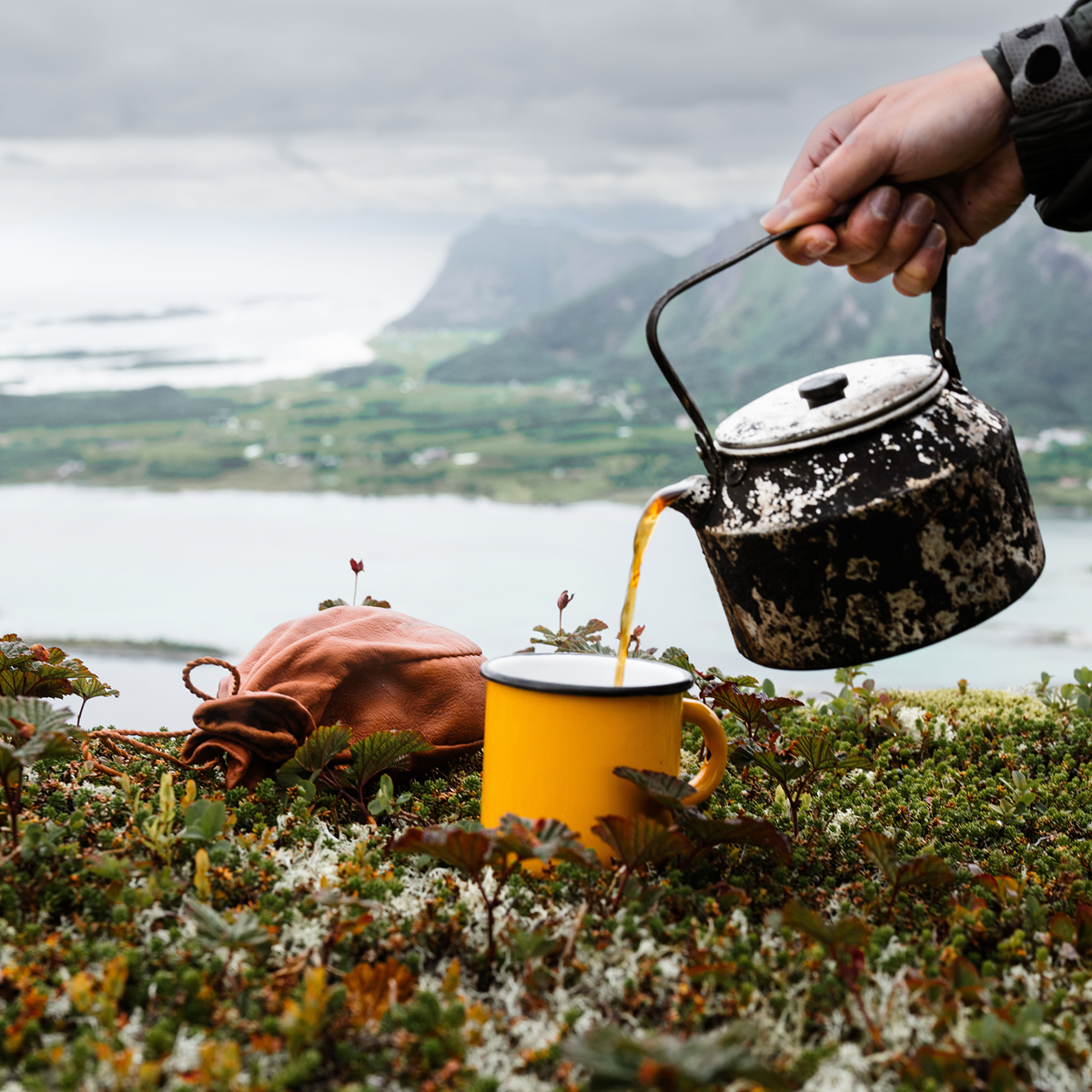
Norway drinks more coffee per person than almost anywhere on earth. It does a significant portion of this drinking outside, in winter, in temperatures that make the question feel less like a preference and more like a philosophy.
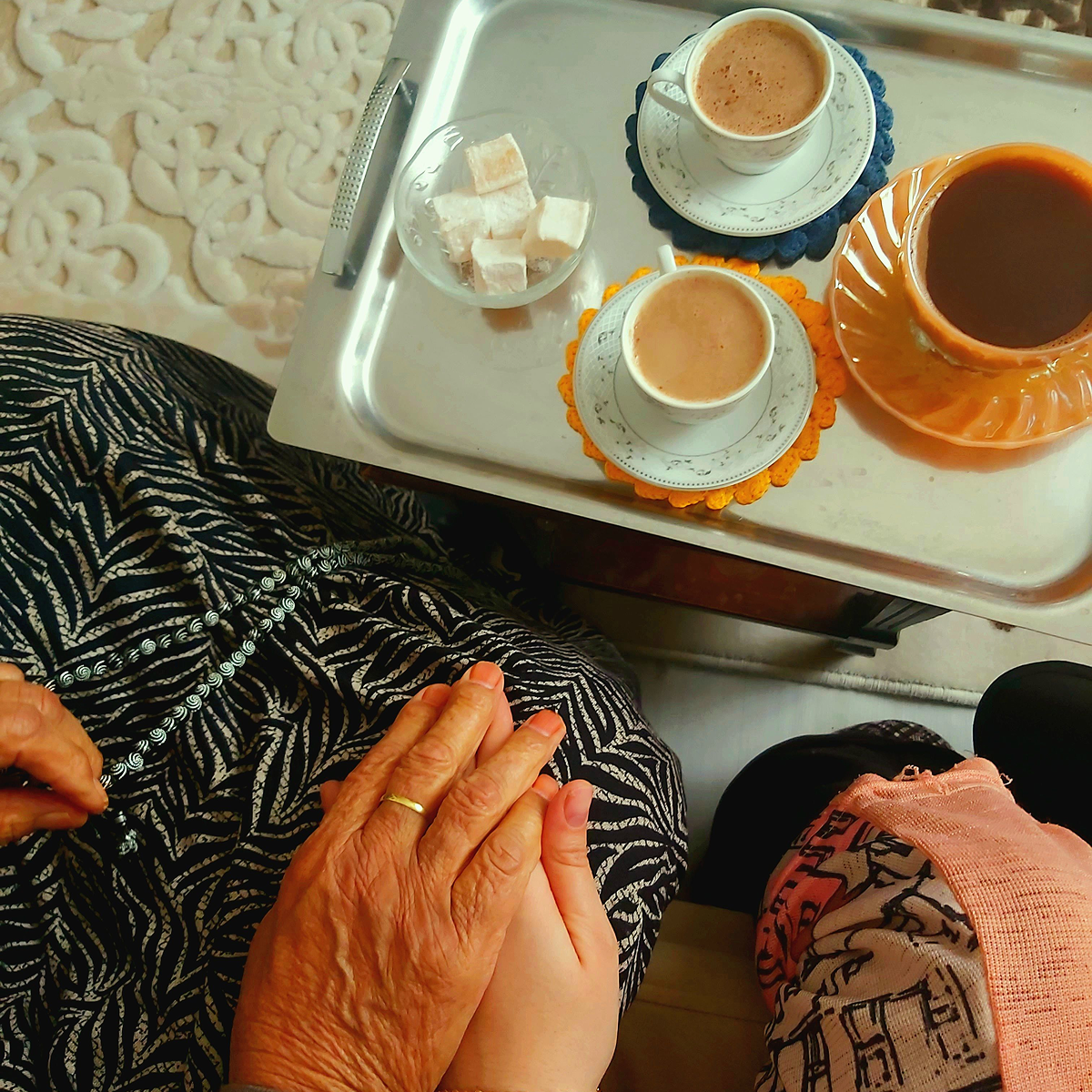
The ritual outlasts the person who taught it. This is either the saddest thing about it or the most consoling. Most mornings it is both at once.
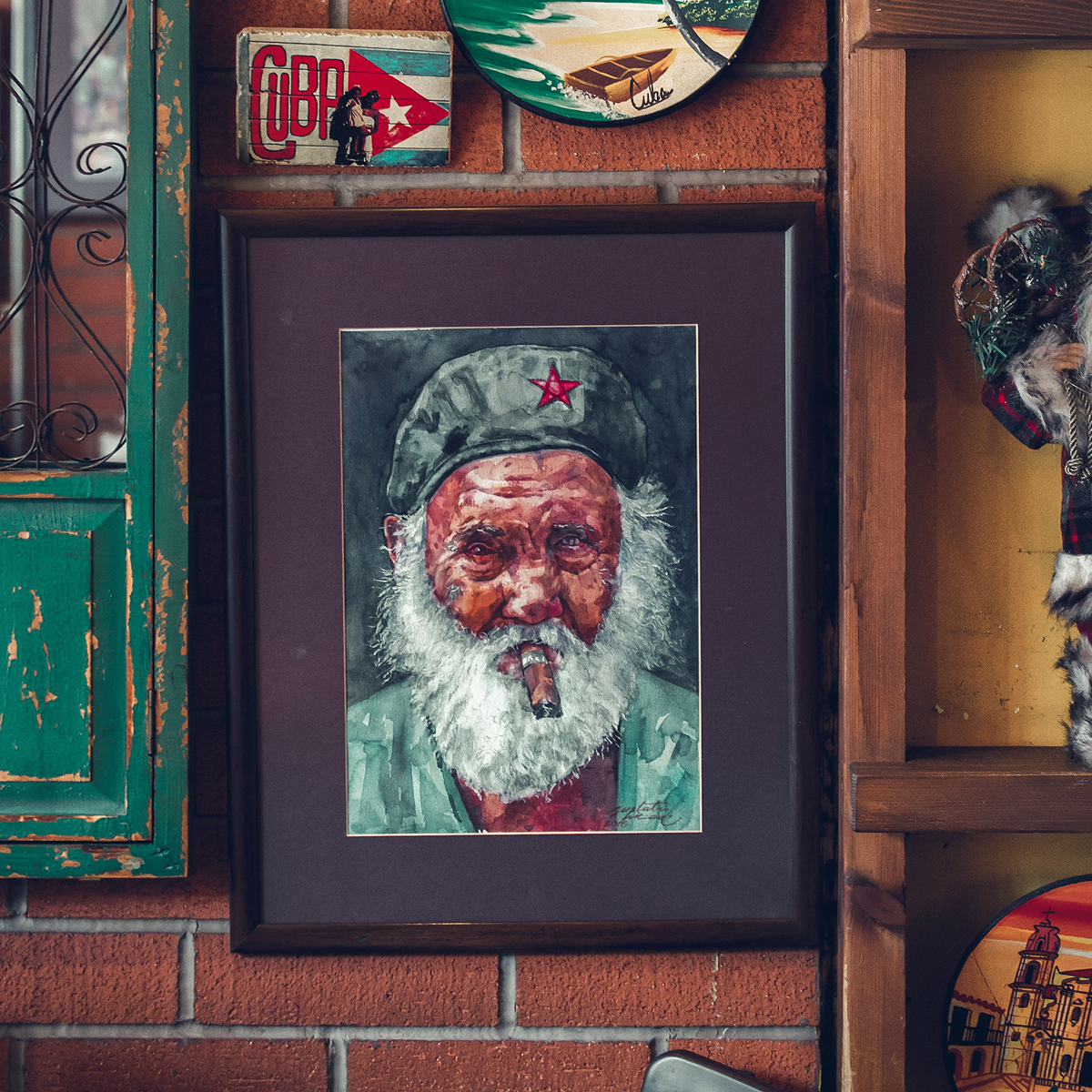
In Cuba, the best coffee is not made in a cafe. It is made in someone's kitchen and passed to you through a hole in a wall. This is not a workaround. It is the whole point.
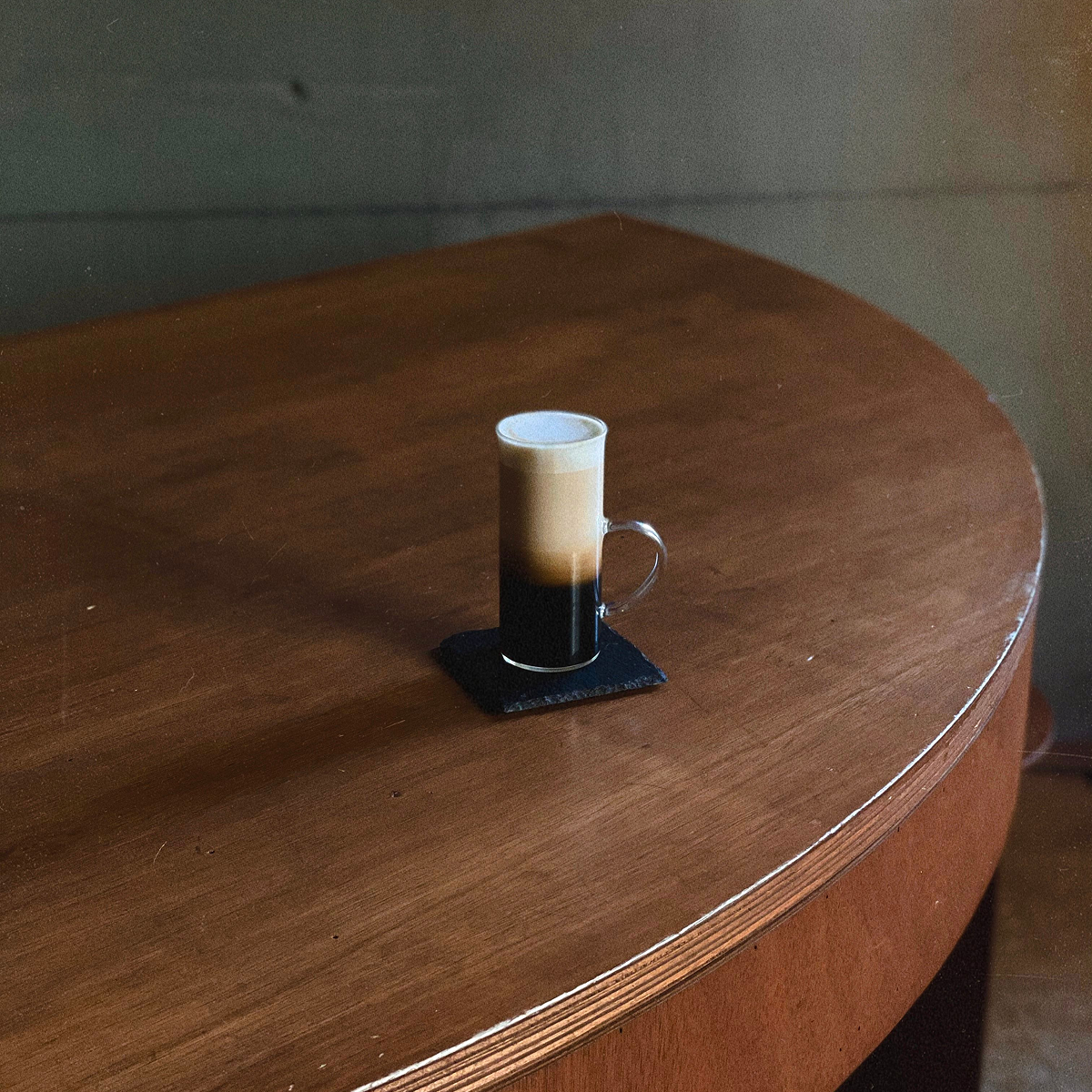
Seoul has more cafes per capita than any city on earth. The coffee, it turns out, is almost beside the point.

Coffee has survived every century it has passed through. Every prohibition. Every war. Every revolution in how people live and work and understand the day. It is still here. So are you.

You already know how you make it. You have known for years. The sequence is so settled that your hands begin before your mind has fully arrived at the day, running the familiar steps in the familiar order, not because you are not paying attention but because this particular kind of attention has gone all the way down — past the level of thought, into the level of reflex, which is where all the things you truly mean eventually live.

Coffee traveled from Yemen to the entire world. Five centuries later, in a country being taken apart by war, the ritual it left behind is still being performed. Quietly. Without an audience. Every morning.

When everything else had to be left behind, some people brought the ritual with them. Not as nostalgia. As necessity.

Australia built one of the world's great cafe cultures. Then a generation took everything it learned and brought it home. What happens to a ritual when the audience disappears?