

Coffee Culture

Learning to Drink What You Grow
For most of its history, Colombia sent its finest coffee abroad and kept what was left. A generation decided that was no longer acceptable. They are still figuring out what comes next.

Japan grows no coffee. It imports everything. And then it does something with what it receives that few countries anywhere have managed: it treats the bean as if the growing of it mattered.

Every morning ritual in the world begins somewhere before the cup. In Uganda, that somewhere is a hillside, and the person standing on it has been there since before the light arrived.

The Italian bar is not a coffee shop. The word gets mistranslated constantly, and the mistranslation matters. Italy invented the espresso and saw a rhythm — not a product. The machine arrived in cafes in London and New York and Sydney, and around it grew menus and queues and loyalty cards and twelve-ounce cups. The espresso became a vehicle, a concentrate to be diluted and sweetened and renamed. In Italy, it remained what it had always been: the thing itself, complete, requiring nothing added.
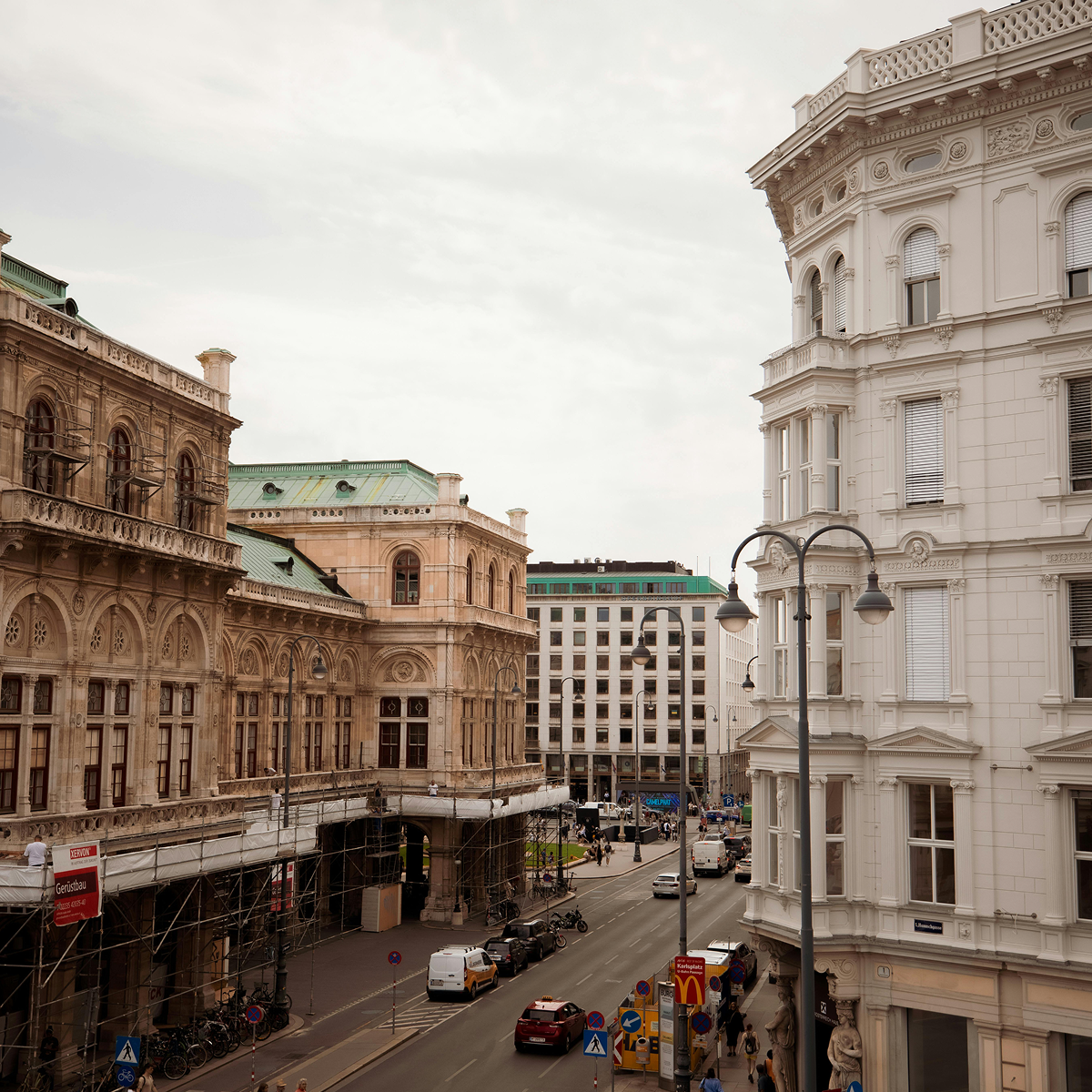
In Vienna, coffeehouses aren’t just for coffee—they are a sanctuary for presence. Marble tables, patient waiters, and unhurried mornings invite you to linger, read, think, and simply exist. Brewista explores this timeless culture, where the coffee is the entry price to a world that values time above all.
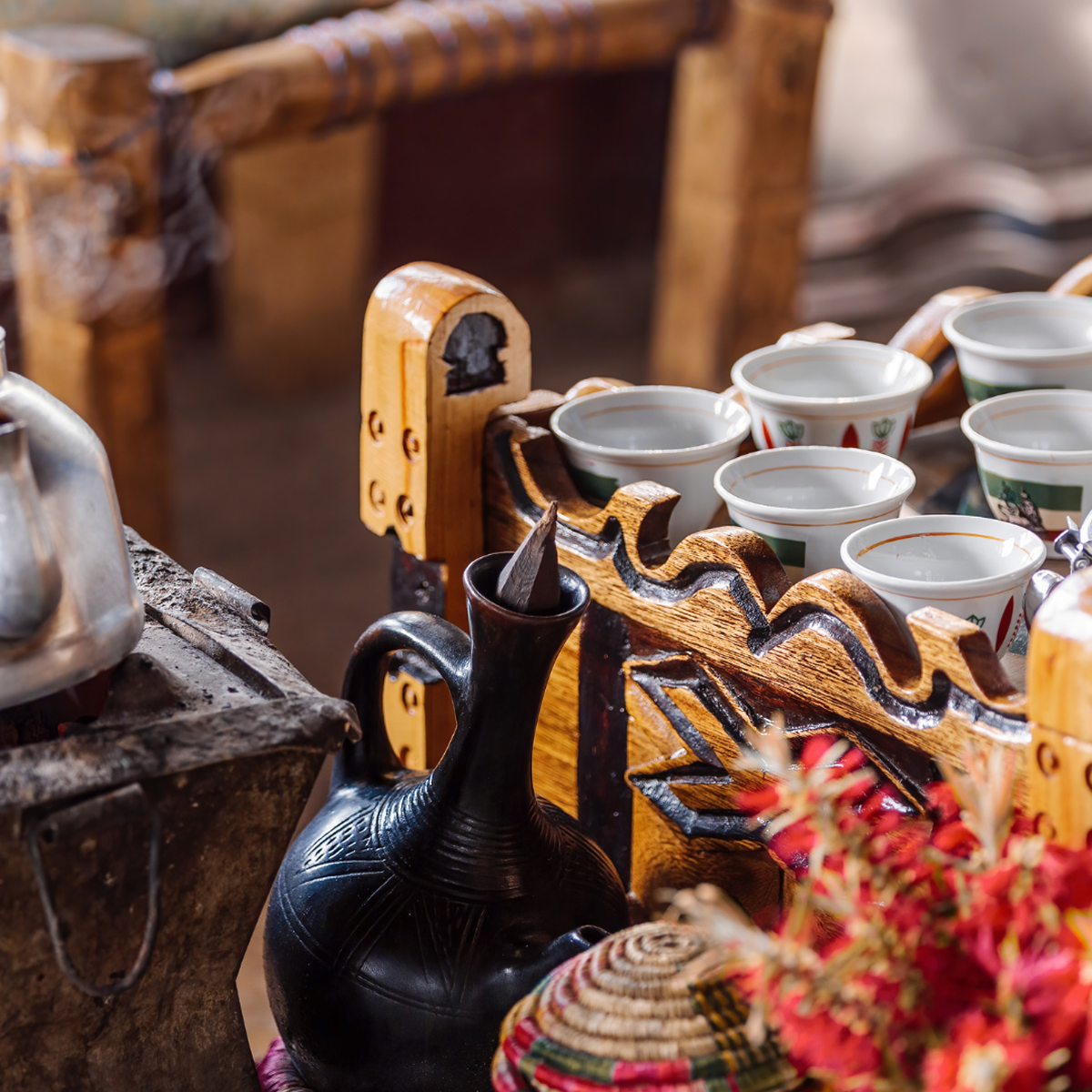
In the ninth century, a goat herder named Kaldi noticed his flock wouldn't settle. They'd been eating red berries from a wild bush. He tried a few himself, brought some to the monks nearby, and they threw them into a fire. The smell that rose from those embers was something none of them had encountered before. That night, the monks stayed awake through their prayers without effort. Coffee had been discovered — not by a scientist or a merchant, but by a man trying to figure out why his goats wouldn't sleep.
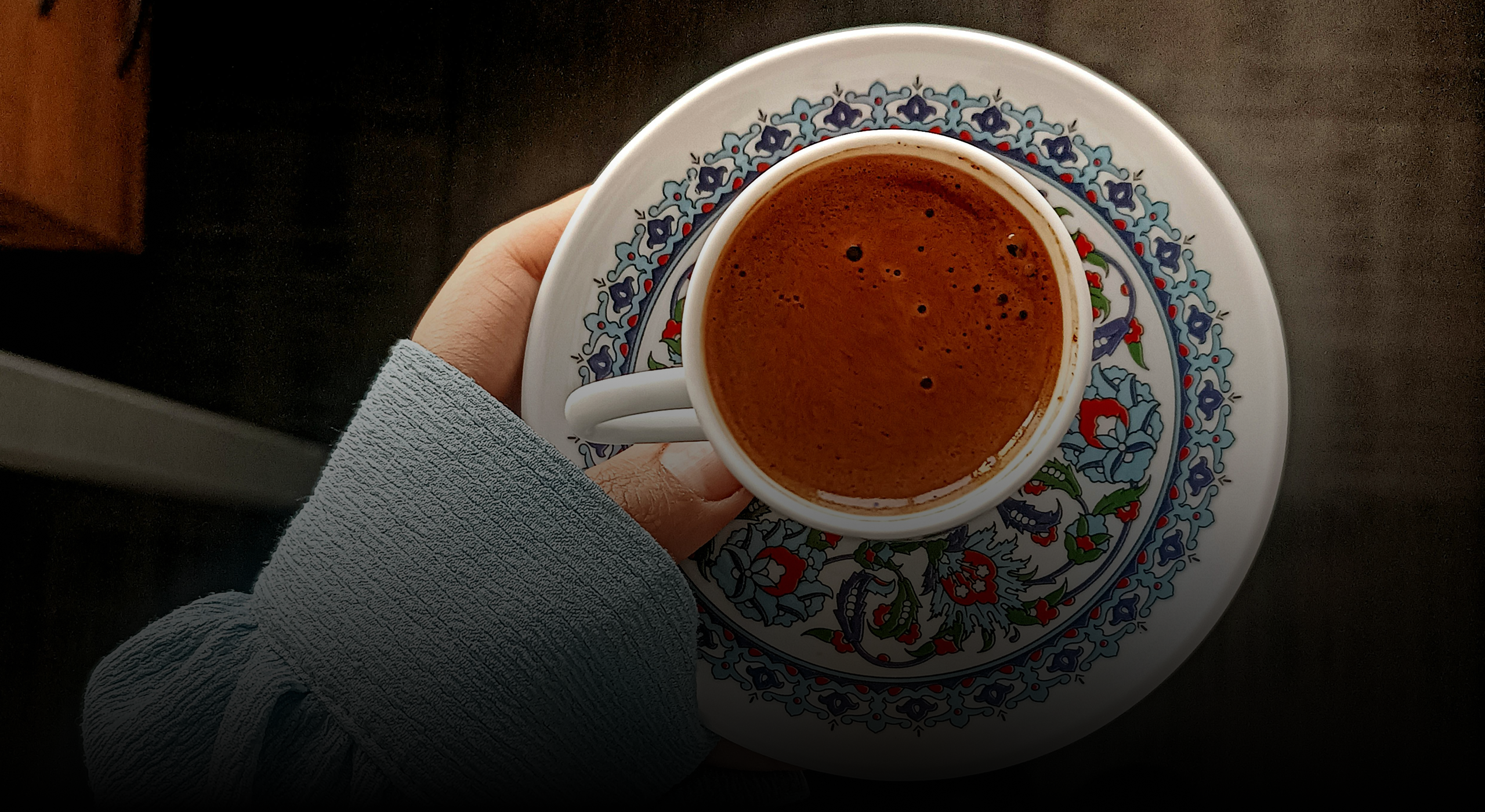
Coffee — The Ritual That Flattens the World
Coffee looks different everywhere—pulled fast at a bar in Naples, poured slowly in Kyoto, simmered in Istanbul, or waiting in a quiet American kitchen before the day begins. But beneath the methods, something deeper stays the same: a small, intentional pause that belongs only to you.